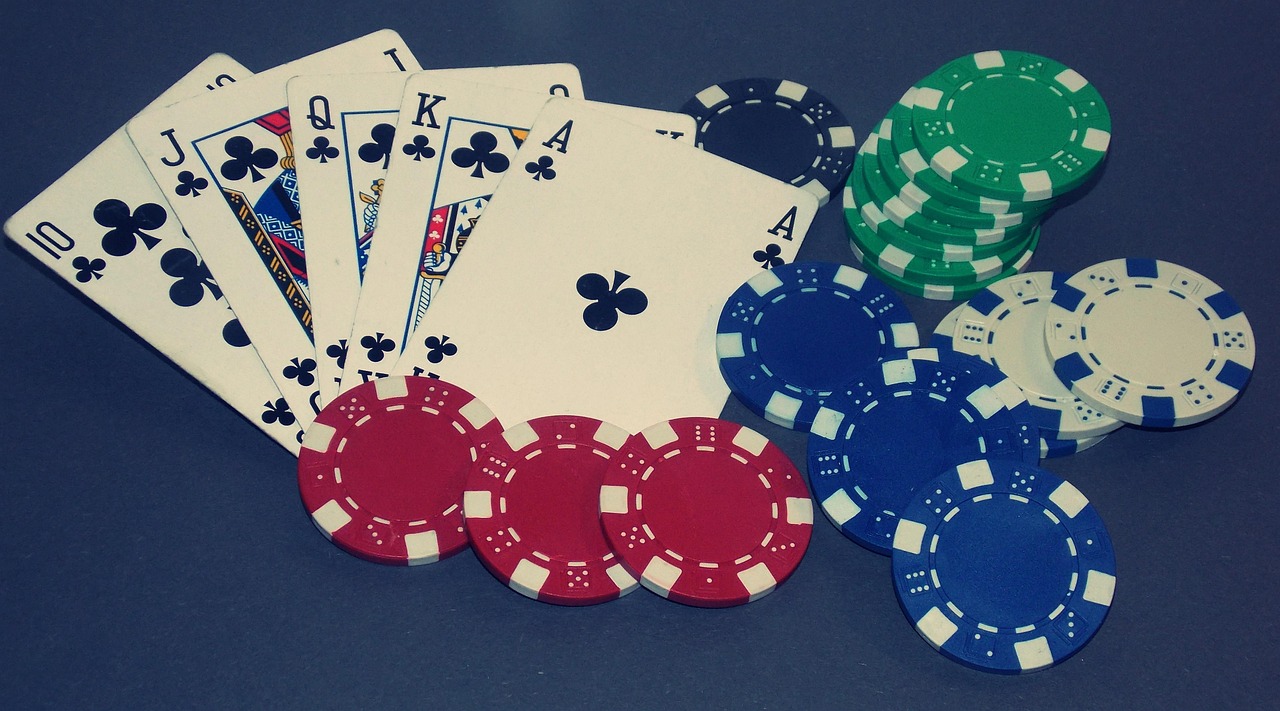
iGaming 2025: Slot Myths, Poker Tells, and Smart Betting
You're three hours deep in a slot session, down $200, and convinced the machine is 'due' for a payout. Meanwhile, your buddy at the poker table just folded a winning hand because he 'felt' the river would betray him. If any of this sounds familiar, you're not alone—and you're also falling for some of the oldest tricks in the iGaming playbook. Let's cut through the noise with real talk, hard data, and strategies that actually move the needle.
The Slot Machine Myths That Cost You Money
Slot machines are the bread and butter of any casino floor, online or off. They're simple, flashy, and dangerously seductive. But the gap between how players think they work and how they actually work is where bankrolls go to die.
Myth #1: 'The machine is due.' Modern slots use Random Number Generators (RNGs). Every spin is independent. A machine that hasn't paid out in 500 spins has the exact same odds on spin 501 as it did on spin 1. No memory, no karma, no cosmic debt. The only thing 'due' is your next decision.
Myth #2: 'Looser machines are in high-traffic areas.' Casinos want you to see wins, so they might place higher-volatility machines near walkways? Nope. That's anecdotal nonsense. Gaming commissions audit payout percentages. A 96% RTP machine is 96% regardless of where it sits. What changes is volatility—how often and how much it pays.
Here's what actually matters:
- RTP (Return to Player): Look for 96% or higher. Online slots often beat land-based (which can dip to 85-90%).
- Volatility: High volatility = rare but big wins. Low volatility = frequent small wins. Match it to your bankroll. If you have $50, a high-volatility slot will eat you alive.
- Hit frequency: Some slots hit every 3-4 spins; others every 20. Know before you spin.
Pro tip: Use the 'fun mode' on online casinos to test a slot's feel before real money. You'll learn more in 100 free spins than in 1,000 paid ones with a foggy head.
Poker: Tells Are Overrated, Math Isn't
Everyone loves a good poker tell story—the twitch, the shaky hand, the guy who stares too long. But here's the truth: at low and mid-stakes, most players aren't good enough to fake tells, and you're not good enough to read them reliably. What separates winners from losers is math and position.
Let's talk ranges. If a tight player raises from early position, their range is maybe AK, AQ, JJ+. If a loose player raises from the button, it's any pair, any ace, suited connectors, and maybe a random cat. Your job isn't to 'put them on a hand'—it's to put them on a range and calculate your equity against it.
Quick example: You hold 8♠7♠ on a 9♠10♦2♣ flop. You have an open-ended straight draw plus a backdoor flush draw. Against a tight raiser's overpair, you're roughly 45% to win by the river. That's a coin flip. If the pot odds are better than 2:1, you call. If not, you fold. No gut feelings required.
Three habits that instantly improve your poker ROI:
- Stop limping. If a hand is good enough to play, it's good enough to raise. Limping invites multi-way pots and tough decisions.
- Track your sessions. Use a simple spreadsheet: hours, buy-in, cash-out, notes. You'll spot leaks (e.g., you lose 70% of your money after midnight) within a month.
- Play fewer hands. Most beginners play 40-50% of hands. Winners play 15-25%. Tight is right.
Betting Smarter: The Bankroll Rules That Actually Work
Whether you're betting on sports, horses, or eSports, the fastest way to ruin is betting money you can't afford to lose. But 'don't bet the rent' is obvious. Here's the granular stuff. This is explained well on mahjong slot.
Use the 1-3% rule. Your standard bet should be 1% of your total bankroll. A strong value bet can be 3%. Never more than 5%, even if you're 'sure.' Why? Because even a 70% favorite loses 30% of the time. Over 100 bets, a 5% flat stake has a 60% chance of a 20% drawdown. A 1% stake cuts that risk to 15%.
Also, separate your bankrolls. One for slots, one for poker, one for sports. If you blow your slots budget, you don't raid your poker roll. This mental accounting feels silly until it saves you from a tilt spiral.
And here's a data point that stings: According to a 2023 UK Gambling Commission report, online slots have an average session length of 23 minutes for casual players. But problem gamblers average 3+ hours. Set a timer. Walk away at 45 minutes. Your brain needs the break.
Live Dealer Games: The Hybrid That's Taking Over
Live dealer games—blackjack, roulette, baccarat—blend the convenience of online with the social feel of a real casino. A human dealer spins the wheel, and you chat via text. Sounds great, right? It is, but watch the speed.
Online live dealer games move faster than land-based tables. A land-based blackjack table deals maybe 40 hands per hour. Live dealer? 60-80. That means you're exposed to the house edge 50-100% more often. If you're a basic strategy player, you're still losing, just faster. If you're a hunch bettor, you're bleeding.
So why play them? Atmosphere. The thrill of a real dealer calling your number. Just cap your session at 30 minutes, and never chase losses from a live table into a slot. That's how $50 becomes $500 in 20 minutes.
The Bottom Line: Treat iGaming Like a Hobby, Not a Paycheck
Nobody likes to hear it, but the house always has an edge. Slots have RTPs below 100%. Poker has a rake. Sportsbooks adjust lines to guarantee profit. The only players who consistently win are professionals who treat it like a job—tracking every hand, exploiting every bonus, and never tilting.
For the rest of us, iGaming is entertainment. A $20 poker tournament with friends is a great night. A $500 slot session chasing a jackpot is a bad decision. The difference is planning. Know your RTPs. Know your ranges. Know your bankroll limits. And for the love of all things holy, never think a slot machine is 'due.'
Play smart, play small, and walk away when it stops being fun. That's the only strategy that actually works.

Headguards vs. Scrum Caps: Which One Do You Actually Need?
Scrum caps and headguards are the same category of kit with different amounts of padding. Here's how to...
How to Choose Your First Pair of Rugby Boots: A Buyer's Guide
Stud types, fit and surface matter more than brand or price. A practical guide to picking your first rugby...
About Us